
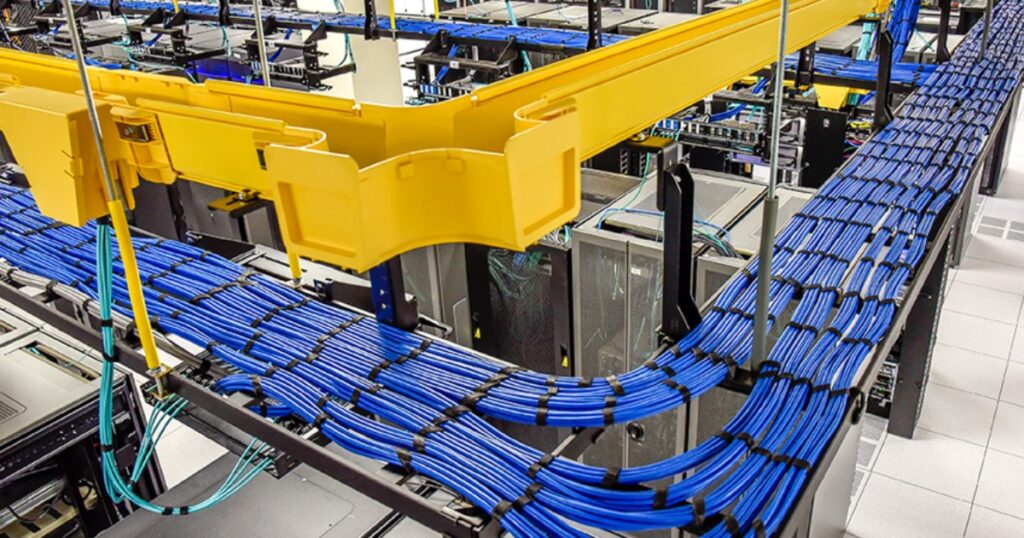
In today’s fast-paced digital environment, businesses rely heavily on stable and high-speed network connectivity. Whether it’s cloud applications, video conferencing, VoIP systems, or security cameras, a reliable network infrastructure is essential. This is where structured cabling systems play a critical role.
A professionally designed structured cabling solution ensures organized, scalable, and high-performance connectivity for businesses of all sizes.
What is Structured Cabling?
Structured cabling is a standardized system of cables, connectors, patch panels, and network hardware that supports data, voice, video, and security systems within a building or campus.
Unlike unorganized point-to-point wiring, structured cabling provides:
- Better cable management
- Reduced network downtime
- Improved performance
- Easier troubleshooting
- Scalability for future growth
Benefits of Structured Cabling for Businesses
1. Improved Network Performance
High-quality Cat6, Cat6a, and fiber optic cabling supports higher bandwidth and faster data transmission.
2. Reduced Downtime
Organized cabling reduces signal interference and simplifies fault detection.
3. Scalability
Structured systems are designed to support future upgrades without major rework.
4. Cost Efficiency
Lower maintenance costs and fewer disruptions lead to long-term savings.
5. Better Safety & Compliance
Professional installations follow industry standards and safety regulations.
Why Businesses Should Upgrade
If your organization experiences slow connectivity, frequent network issues, or expansion challenges, upgrading to a professional commercial structured cabling system can significantly improve operational efficiency.
Conclusion
A reliable network begins with a strong foundation. Investing in professional structured cabling services ensures long-term performance, scalability, and security for your business infrastructure.